
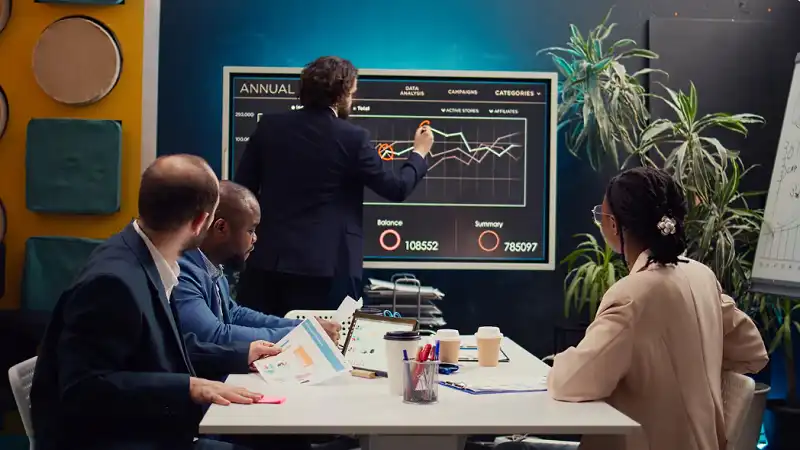
Successful trading requires more than identifying profitable opportunities—it demands effective management, careful planning, and consistent decision-making. Whether you are new to trading or have years of market experience, strong management practices can help improve performance, minimize costly mistakes, and support long-term financial success. While many traders focus primarily on maximizing profits, disciplined management is equally essential for achieving sustainable results.
In today’s fast-paced financial markets, traders must balance strategic planning, risk management, time management, and emotional discipline to navigate changing market conditions effectively. Without a structured approach, even promising trading opportunities can result in unnecessary losses. Developing sound management habits enables traders to make informed decisions, remain consistent, and adapt confidently to market fluctuations.
This article explores practical and easy-to-apply trading management techniques, offering valuable insights that can help traders strengthen their decision-making, improve efficiency, and build a solid foundation for long-term success.
Understanding the Importance of Management in Trading
Trading is not only about buying and selling assets. It also involves planning, research, financial control, and emotional stability. Effective management allows traders to stay focused on their goals and avoid unnecessary risks.
Good management practices help traders:
- Maintain discipline during market fluctuations
- Reduce emotional decisions
- Improve financial planning
- Track performance accurately
- Build long-term consistency
Many successful traders spend more time managing risk and strategy than searching for quick profits. This approach creates a balanced and professional trading environment.
Set Clear Financial Goals
One of the most important steps in trading management is setting realistic goals. Without clear objectives, traders may make random decisions that lead to confusion and losses.
Financial goals should be:
- Specific
- Measurable
- Achievable
- Time-based
For example, instead of aiming to “make more money,” a trader can set a goal to increase monthly returns by a small percentage while maintaining controlled risk levels.
Clear goals provide direction and help traders evaluate their progress over time. They also encourage patience and consistency, which are essential in financial markets.
Create a Strong Trading Plan
A trading plan acts as a roadmap for decision-making. It outlines entry points, exit strategies, risk limits, and market conditions for each trade.
A good trading plan usually includes:
Risk Management Rules
Traders should define how much capital they are willing to risk on each trade. Many professionals recommend risking only a small percentage of total funds.
Entry and Exit Strategy
Every trade should have a reason for entering and a clear target for exiting. This prevents emotional reactions during market movements.
Daily and Weekly Limits
Setting profit and loss limits can help maintain discipline and avoid overtrading.
Following a written plan reduces uncertainty and creates a more structured approach to trading activities.
Improve Time Management Skills
Time management is often overlooked in trading. Many people spend too much time watching charts without proper focus or preparation.
Effective time management can improve productivity by helping traders:
- Analyze markets more efficiently
- Avoid unnecessary stress
- Balance personal and professional responsibilities
- Focus on high-quality opportunities
Creating a daily schedule for market research, analysis, and review sessions can improve consistency. Traders should also avoid making impulsive decisions during periods of fatigue or distraction.
Strong time organization is one of the core principles behind successful Management Tips Ftasiatrading because it supports disciplined and focused trading habits.
Control Emotions During Trading
Emotional control is essential in financial management. Fear, greed, and frustration often lead to poor decisions and unnecessary losses.
Common emotional mistakes include:
- Holding losing trades too long
- Closing profitable trades too early
- Overtrading after losses
- Making impulsive decisions
To improve emotional discipline, traders can:
Take Regular Breaks
Short breaks help reduce stress and improve concentration.
Keep a Trading Journal
Writing down decisions and emotions after each trade helps identify patterns and improve future performance.
Follow a Consistent Routine
A structured routine reduces emotional reactions and increases confidence.
Emotional management helps traders stay calm during unpredictable market conditions and maintain better control over their strategies.
Focus on Risk Management
Risk management is one of the most important parts of any trading system. Even highly skilled traders can experience losses, which is why protecting capital should always be a priority.
Key risk management methods include:
Diversification
Avoid placing all funds into a single trade or market. Diversifying investments can reduce exposure to sudden market changes.
Stop-Loss Orders
Using stop-loss limits helps protect traders from major losses during unexpected price movements.
Position Sizing
Choosing the correct trade size based on account balance helps maintain long-term stability.
A trader who manages risk effectively is more likely to survive difficult market periods and continue improving over time.
Continue Learning and Improving
Financial markets constantly change, and traders must continue learning to stay competitive. Education helps traders understand new trends, strategies, and technologies.
Useful learning methods include:
- Reading financial books and articles
- Studying market analysis
- Reviewing past trades
- Practicing with demo accounts
- Following economic news
Continuous improvement allows traders to adapt to changing market conditions and make more informed decisions.
Learning from mistakes is also important. Every unsuccessful trade can provide valuable lessons for future growth.
Use Technology Wisely
Modern technology offers many tools that can support better trading management. Trading platforms, market analysis software, and automated alerts can improve efficiency and accuracy.
Useful technology tools may include:
- Market tracking applications
- Economic calendars
- Portfolio management software
- Automated trading alerts
- Risk analysis tools
However, traders should avoid depending completely on technology. Human judgment and careful analysis remain important for making balanced decisions.
Using technology wisely can simplify daily tasks and improve overall organization.
Maintain Financial Discipline
Discipline is one of the strongest qualities a trader can develop. Without discipline, even a profitable strategy may fail.
Financial discipline includes:
- Following the trading plan consistently
- Avoiding unnecessary risks
- Managing expenses carefully
- Staying patient during slow market periods
Many traders lose money because they ignore their own rules. Building discipline takes time, but it creates a strong foundation for long-term success.
Management Tips Ftasiatrading often emphasize the importance of consistency because disciplined habits lead to better financial control and reduced emotional mistakes.
Analyze Performance Regularly
Performance analysis helps traders understand their strengths and weaknesses. Reviewing past results can improve future decision-making and increase confidence.
Important areas to review include:
Profit and Loss Patterns
Understanding which strategies work best can improve future performance.
Emotional Behavior
Identifying emotional reactions helps traders develop better self-control.
Market Conditions
Reviewing market trends and external events can explain why certain trades succeeded or failed.
Regular analysis encourages continuous improvement and supports long-term development.
Build Patience and Long-Term Thinking
Many traders focus too much on short-term profits. However, successful trading often requires patience and consistent effort over time.
Long-term thinking helps traders:
- Avoid impulsive decisions
- Stay calm during market fluctuations
- Focus on sustainable growth
- Improve overall confidence
Patience allows traders to wait for high-quality opportunities instead of forcing unnecessary trades.
A long-term mindset also reduces stress and supports healthier financial habits.
Importance of Healthy Work-Life Balance
Trading can become stressful if traders spend too much time analyzing markets without rest. Maintaining balance is important for mental clarity and emotional health.
Healthy habits include:
- Getting enough sleep
- Exercising regularly
- Spending time with family and friends
- Taking breaks from screens
- Managing stress levels
A balanced lifestyle improves concentration, decision-making, and emotional stability.
Traders who maintain good physical and mental health are often better prepared to handle market pressure.
Common Mistakes to Avoid
Many traders repeat the same management mistakes that negatively affect their results. Understanding these mistakes can help improve performance.
Overtrading
Trading too frequently often increases risk and emotional stress.
Ignoring Risk Limits
Failing to control losses can damage trading capital quickly.
Chasing Quick Profits
Trying to recover losses through aggressive trading usually leads to more mistakes.
Lack of Planning
Entering trades without proper research increases uncertainty and risk.
Avoiding these common errors can create a more stable and organized trading experience.
Conclusion
Successful trading involves far more than understanding market trends or identifying profitable opportunities. Effective management is essential for maintaining discipline, managing risk, and achieving consistent, long-term financial growth. Traders who prioritize strategic planning, emotional control, continuous learning, and sound financial management are better equipped to navigate market fluctuations and improve their overall performance.
The principles outlined in this article provide a practical framework for making informed decisions, staying organized, and minimizing unnecessary risks. By applying these management techniques consistently, traders can build greater confidence, strengthen their decision-making skills, and create a more sustainable approach to long-term trading success.
See more homelifestylehub