
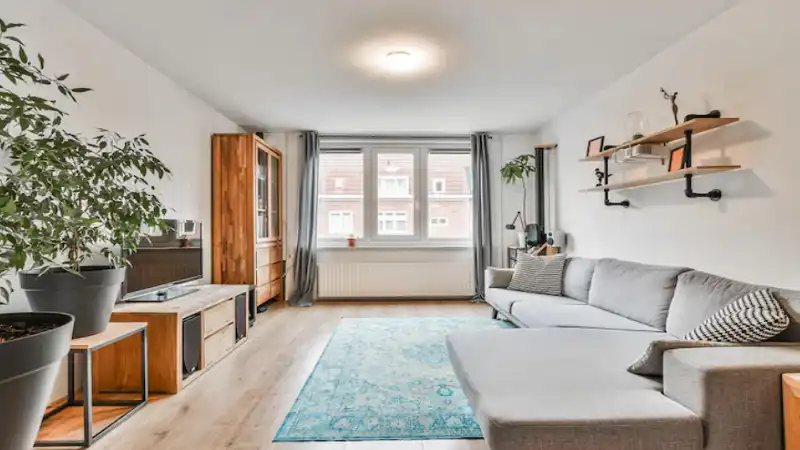
Creating a comfortable and efficient home environment has become a priority for many people in today’s fast-paced world. Whether it’s about improving indoor comfort, managing energy consumption, or simply maintaining a cozy atmosphere, homeowners are constantly looking for smarter ways to manage their living spaces. One concept gaining attention in this space is Home Hearthstats, which focuses on optimizing home comfort by improving awareness and control of heating, energy use, and indoor conditions.
This article explores what Home Hearthstats means, why it matters, and how you can apply its principles to create a more comfortable, efficient, and sustainable home.
Understanding the Concept of Home Comfort
Home comfort is not just about having a warm house in winter or a cool one in summer. It involves several interconnected factors:
- Temperature consistency
- Indoor air quality
- Humidity levels
- Energy efficiency
- Smart control systems
When these elements are balanced, your home becomes a place where you can relax, work, and live without discomfort. However, achieving this balance requires awareness and proper management.
This is where Home Hearthstats becomes useful, as it encourages a data-driven and mindful approach to managing home conditions.
The Role of Heating Systems in Modern Homes
Heating systems play a central role in maintaining indoor comfort, especially in colder climates. Common types include:
- Central heating systems
- Radiators
- Underfloor heating
- Heat pumps
Each system has its own advantages and efficiency levels. However, simply having a heating system is not enough. Proper control and monitoring are essential to ensure that energy is not wasted and that comfort is maintained throughout the home.
By applying Home Hearthstats principles, homeowners can better understand how their heating systems perform and how to optimize them.
Why Energy Efficiency Matters
Energy efficiency is not only about saving money on utility bills—it also has environmental benefits. Efficient homes:
- Consume less energy
- Reduce carbon footprint
- Require less maintenance
- Provide more consistent comfort
Many households unknowingly waste energy due to poor insulation, outdated systems, or inefficient usage habits. Monitoring energy consumption and making small adjustments can lead to significant improvements over time.
Home Hearthstats encourages homeowners to track and analyze their energy use, helping them make informed decisions that benefit both their wallets and the environment.
Key Components of a Smart Home Environment
To create a truly optimized home, several components should work together seamlessly:
1. Smart Thermostats
Smart thermostats allow you to control temperature settings remotely and automatically adjust based on your schedule. They help reduce unnecessary heating or cooling when no one is home.
2. Sensors and Monitoring Devices
Sensors can track temperature, humidity, and air quality in different rooms. This data provides valuable insights into how your home behaves throughout the day.
3. Insulation and Sealing
Good insulation prevents heat loss in winter and keeps cool air inside during summer. Proper sealing of windows and doors also plays a crucial role.
4. Ventilation Systems
Ventilation ensures fresh air circulation and prevents issues like mold or excessive humidity.
Together, these elements form the foundation of an efficient home system, aligning perfectly with the Home Hearthstats approach.
Benefits of Monitoring Home Conditions
Tracking and analyzing home conditions offers several advantages:
- Improved comfort: Maintain consistent temperatures across all rooms
- Cost savings: Identify and reduce unnecessary energy usage
- Better health: Maintain optimal air quality and humidity levels
- Preventive maintenance: Detect issues early before they become costly repairs
When homeowners actively monitor their environment, they gain better control over their living conditions.
Practical Tips to Improve Your Home Environment
You don’t need advanced technology to start improving your home. Here are some simple steps:
Adjust Your Thermostat Wisely
Lower the temperature slightly when sleeping or away from home. Even a small adjustment can lead to noticeable savings.
Seal Drafts
Check for gaps around windows and doors and seal them to prevent heat loss.
Use Curtains Strategically
Open curtains during sunny days to let natural heat in and close them at night to retain warmth.
Maintain Your Heating System
Regular servicing ensures your system runs efficiently and safely.
Monitor Usage Patterns
Understanding when and how you use energy helps you identify opportunities for improvement.
Incorporating these habits aligns well with the philosophy of Home Hearthstats and leads to long-term benefits.
The Importance of Data-Driven Decisions
One of the key ideas behind Home Hearthstats is using data to guide decisions. Instead of guessing what works best, homeowners can rely on actual measurements and trends.
For example:
- Identifying which rooms lose heat faster
- Understanding peak energy usage times
- Detecting unusual spikes in consumption
With this information, you can make targeted improvements rather than broad, less effective changes.
Challenges and How to Overcome Them
While improving home efficiency is beneficial, there are some challenges:
Initial Costs
Upgrading systems or installing smart devices can require upfront investment. However, these costs are often offset by long-term savings.
Learning Curve
Understanding new technologies may take time. Starting with simple tools and gradually expanding can make the process easier.
Maintenance
Smart systems still require regular maintenance to function properly.
By addressing these challenges step by step, homeowners can successfully implement Home Hearthstats practices without feeling overwhelmed.
Future Trends in Home Management
The future of home management is becoming increasingly intelligent and automated. Some trends include:
- AI-powered home systems
- Integration of renewable energy sources
- Advanced energy storage solutions
- More user-friendly smart home interfaces
As technology continues to evolve, managing home comfort and efficiency will become even easier and more accessible.
Conclusion
Creating a comfortable and efficient home is an ongoing process that involves understanding, monitoring, and improving various aspects of your living environment. From heating systems to energy usage and air quality, every element plays a role in overall comfort.
Home Hearthstats provides a practical framework for approaching these challenges in a structured and informed way. By focusing on data, efficiency, and smart decision-making, homeowners can achieve a balance between comfort and sustainability.
Learn more homelifestylehub