
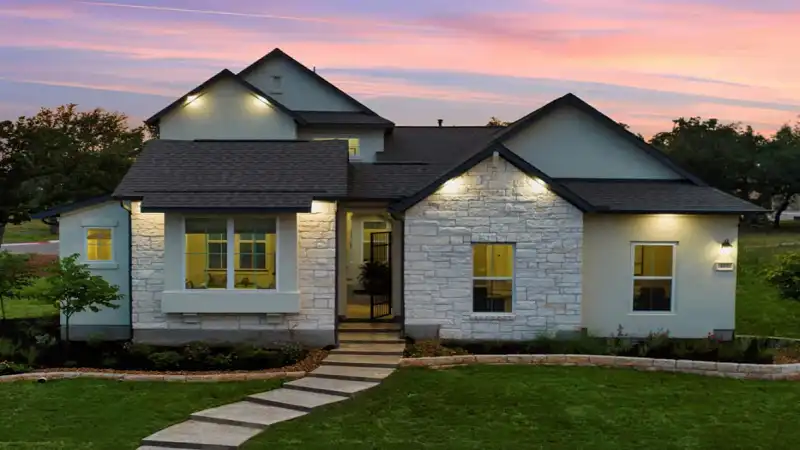
Technology is changing the way we live at home faster than ever before. Twenty years ago, most households had a few televisions, desktop computers, and standard kitchen appliances. Today, the average home may include multiple laptops, tablets, gaming systems, smart TVs, security cameras, video doorbells, electric vehicles, home offices, smart thermostats, high-efficiency HVAC systems, and connected appliances—all drawing power throughout the day.
For homeowners in Austin, Texas, planning ahead has become just as important as maintaining the home itself. Whether you’re remodeling, building an addition, or simply thinking long-term, designing an electrical system that can support tomorrow’s technology can save significant money, reduce future disruptions, and increase your home’s value.
Rather than waiting until electrical capacity becomes a problem, many homeowners are taking a proactive approach. This guide explores how thoughtful electrical planning today can prepare your home for the next two decades.
Austin has experienced tremendous growth over the past decade. Along with that growth has come larger homes, remote work, smart technology, and increasing adoption of electric vehicles.
Why Austin Homes Are Using More Electricity Than Ever
Several trends are driving higher residential electrical demand:
- Multiple people working remotely
- Larger entertainment systems
- Home gyms
- Electric cooking appliances
- High-efficiency HVAC equipment
- Pool equipment
- Outdoor kitchens
- Electric water heaters
- Heat pump technology
- Home automation systems
- Electric vehicle charging
Many homes built 20 or 30 years ago simply weren’t designed for this level of electrical consumption.
Even newer homes can quickly outgrow their original electrical design as homeowners add modern conveniences over time.
Thinking ahead allows your home’s electrical infrastructure to evolve alongside your family’s changing lifestyle.
Start With Electrical Panel Capacity Planning
Every electrical system begins with the service panel.
Think of your electrical panel as the traffic controller for your home’s electricity. Every circuit depends on it.
One of the biggest mistakes homeowners make during renovations is only installing enough capacity for today’s project.
For example:
- Kitchen remodel
- Bathroom addition
- Garage conversion
- Outdoor living space
- New HVAC equipment
Each project adds electrical demand.
If your electrical panel is already close to capacity, future improvements become much more complicated.
Instead of replacing the panel multiple times over the life of the home, it often makes sense to install a panel with room for expansion from the beginning.
Planning extra capacity today may eliminate expensive upgrades years down the road.
Think Beyond Today’s Lifestyle
One of the easiest ways to future-proof a home is to ask:
“What might this house need ten years from now?”
Your answer could include:
- An electric truck
- A second EV
- A home office
- A workshop
- A backyard studio
- Battery storage
- A pool
- A hot tub
- Solar panels
- Outdoor lighting
- A guest suite
Even if none of these projects are immediate priorities, planning for them now makes future additions much easier.
Running conduit, installing larger panels, or leaving extra breaker space during current projects can dramatically reduce labor costs later.
Dedicated Circuits Make Home Offices More Reliable
Remote work has permanently changed how many Austin homeowners use their homes.
Instead of occasionally checking email, many families now spend eight to ten hours each day working from dedicated office spaces.
A modern home office often includes:
- Multiple monitors
- Desktop computers
- Laptop docking stations
- Laser printers
- Wi-Fi equipment
- Backup internet devices
- Video conferencing equipment
- Adjustable standing desks
- Task lighting
Putting all of these devices on shared household circuits can sometimes lead to nuisance breaker trips or inconsistent performance.
Dedicated circuits provide cleaner, more reliable power while leaving room for future office upgrades.
This approach is especially valuable if multiple family members work remotely.
Prepare Your Home for Electric Vehicle Charging
Electric vehicles continue to become more common throughout Central Texas.
Even homeowners who don’t currently own an EV may purchase one during the next decade.
Planning ahead doesn’t necessarily mean installing a charger immediately.
Instead, homeowners can prepare by:
- Reserving breaker space
- Installing appropriately sized conduit
- Evaluating panel capacity
- Planning garage wiring layouts
- Identifying future charger locations
These small steps can make future installations significantly easier.
For homeowners researching Trusted EV Car Charger Installation in Austin, Texas, understanding your home’s electrical capacity before purchasing an electric vehicle is one of the smartest investments you can make. Preparing the infrastructure ahead of time often simplifies the installation process when the time comes.
Smart Home Wiring Should Be Part of Every Long-Term Plan
Smart homes continue to evolve every year.
Today’s homeowners are adding:
- Smart lighting
- Whole-home Wi-Fi systems
- Automated window shades
- Security cameras
- Video doorbells
- Smart irrigation systems
- Smart locks
- Leak detection sensors
- Voice-controlled devices
- Energy monitoring systems
While many of these products operate wirelessly, they still require reliable electrical infrastructure.
Planning wiring routes during renovations allows future devices to be installed with minimal disruption.
For example, running additional conduit through walls during a remodel may cost very little now but could eliminate drywall repairs later when new technology is added.
Future-proofing is often less about installing every new gadget today and more about creating a home that’s ready for whatever comes next.
Battery Storage Is Becoming Part of Modern Home Design
Battery technology continues to improve while becoming more accessible to homeowners.
Residential battery systems can offer benefits such as:
- Backup power during outages
- Better energy management
- Integration with solar systems
- Reduced reliance on the electrical grid
- Potential savings through energy optimization
Even Texas homeowners who aren’t planning immediate battery installation can benefit from preparing their electrical systems.
This might include:
- Leaving space near the electrical panel
- Planning conduit routes
- Considering future equipment locations
- Ensuring adequate electrical capacity
As battery technology evolves over the next twenty years, homes that are already prepared will often have more installation options available.
Whole-Home Surge Protection Is an Investment in Everything Connected
Today’s homes contain thousands of dollars’ worth of sensitive electronics.
These include:
- Refrigerators
- HVAC equipment
- Televisions
- Gaming systems
- Smart appliances
- Computers
- Wi-Fi equipment
- Security systems
- Charging stations
Many homeowners think surge protection only matters during lightning storms.
In reality, smaller electrical surges happen far more frequently and can slowly wear down sensitive electronics over time.
Whole-home surge protection helps create an additional layer of defense for the growing number of electronic devices found in modern households.
As homes become increasingly connected, protecting those investments becomes part of responsible long-term planning.
Design Electrical Systems That Can Grow With Future Renovations
Few Texas homeowners can predict exactly how their house will change over twenty years.
Families grow.
Children become teenagers.
Parents move in.
Garages become offices.
Patios become outdoor kitchens.
Attics become living space.
The most adaptable homes are designed with flexibility in mind.
Some forward-thinking strategies include:
Leave Extra Breaker Spaces
Unused panel spaces allow additional circuits to be added later without replacing the entire panel.
Install Larger Conduit
Slightly oversized conduit makes pulling future wiring much easier.
Plan Accessible Wiring Routes
Accessible pathways simplify future remodeling projects.
Label Electrical Panels Clearly
Detailed circuit labeling saves time for future maintenance and renovations.
Consider Outdoor Electrical Needs
Landscape lighting, outdoor entertainment, pools, and future structures all require electrical planning.
Anticipate Lifestyle Changes
Thinking beyond today’s needs creates a home that adapts more easily over time.
Energy Efficiency and Future Planning Go Hand in Hand
Future-proofing isn’t only about adding capacity.
It’s also about improving efficiency.
Modern electrical planning often includes:
- LED lighting
- Occupancy sensors
- Smart thermostats
- Energy monitoring systems
- Programmable lighting controls
- Efficient appliances
Reducing unnecessary energy consumption helps offset the increased demand created by modern technology.
As utility rates evolve over the coming years, efficient homes may also enjoy lower operating costs.
Renovating? Think About Electrical Before the Walls Close
Many homeowners focus first on flooring, cabinets, countertops, and paint during renovations.
Electrical improvements often become an afterthought.
However, once drywall is installed, making electrical changes becomes much more expensive.
Before walls are closed, homeowners should consider:
- Additional outlets
- USB charging locations
- Smart switches
- Future entertainment wiring
- Garage expansion
- Outdoor power needs
- Security system wiring
- Home office upgrades
- EV charging preparation
- Future battery storage
These improvements are generally easier and more affordable while construction is already underway.
Building a Home That Lasts
A well-designed electrical system isn’t just about meeting today’s needs—it’s about anticipating tomorrow’s opportunities.
Whether your future includes electric vehicles, battery storage, smart home technology, or expanded living spaces, thoughtful planning can help your home adapt without requiring major electrical overhauls every few years.
For homeowners exploring Trusted EV Car Charger Installation in Austin, Texas, it’s worth viewing EV readiness as just one piece of a larger strategy. A home with adequate panel capacity, dedicated circuits, surge protection, smart wiring pathways, and room for future expansion is better equipped to handle changing technology and evolving lifestyles.
Ultimately, future-proofing your electrical system is an investment in convenience, flexibility, and peace of mind. By planning ahead instead of reacting to limitations, Austin homeowners can create homes that remain safe, efficient, and ready for whatever the next twenty years may bring.