
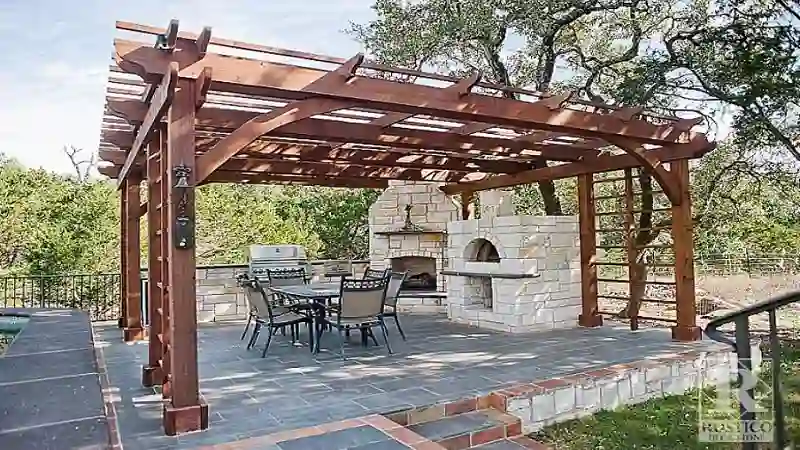
Outdoor spaces are no longer just practical extensions of a home—they’ve become reflections of personal style. Just as interiors showcase preferences through furniture, color palettes, and layout, outdoor areas now offer the same opportunity for expression. The challenge lies in achieving a balance between aesthetics and functionality without compromising either.
Designing an outdoor space that feels both stylish and usable requires thoughtful choices. It’s not simply about adding decorative features, but about creating an environment that aligns with how the homeowner lives while still maintaining visual appeal.
Understanding the Connection Between Style and Space
Every well-designed outdoor area begins with a clear sense of style. Whether it leans toward minimal, rustic, or modern, this foundation helps guide decisions about materials, layout, and features. Without this clarity, spaces can easily feel mismatched or incomplete.
Interestingly, personal style often carries over from other aspects of life. Insights from understanding individual style preferences show how consistent themes can influence design choices across different environments. Recognizing these patterns can help homeowners create outdoor spaces that feel authentic rather than forced.
When style is clearly defined, it becomes easier to select elements that complement one another.
Translating Personal Taste Into Design
Turning abstract preferences into a physical layout requires careful interpretation. Colors, textures, and materials should reflect the chosen style while still supporting the space’s functionality. This ensures that the design feels cohesive rather than experimental.
Consistency is key. Repeating certain elements throughout the space helps create a unified look that feels intentional.
Incorporating Structure Without Sacrificing Style
Structure plays a vital role in outdoor design, providing organization and usability. However, it must be integrated in a way that complements the overall aesthetic. Features such as covered areas, pathways, and defined zones should enhance the design rather than disrupt it.
Homeowners often explore options like Royal Covers outdoor solutions when looking to combine durability with visual appeal. These structures are designed to integrate seamlessly into different styles, offering both practicality and design consistency.
When structure and style are aligned, outdoor spaces feel more complete and functional.
Creating Visual Balance
Balance is achieved by carefully considering proportions and placement. Too many structural elements can make a space feel crowded, while too few can leave it lacking definition. Finding the right balance ensures that the space remains both open and organized.
This approach allows each feature to stand out without overwhelming the overall design.
Enhancing Outdoor Areas With Thoughtful Decor
Decorative elements add personality and warmth to outdoor spaces, but they should be chosen with intention. Items such as lighting, planters, and textiles can enhance the atmosphere without detracting from functionality.
Exploring ideas from practical home decorating inspiration can guide how to incorporate these details effectively. These insights emphasize simplicity and purpose, showing how small additions can make a significant impact.
When used thoughtfully, décor enhances the experience of the space without creating clutter.
Designing for Everyday Usability
While style is important, usability remains the foundation of any successful outdoor design. Spaces should be comfortable, accessible, and easy to maintain. Features that support daily use—such as shaded areas, durable surfaces, and clear pathways—contribute to a more practical environment.
Designing with usability in mind ensures that the space is not only visually appealing but also functional. This balance allows homeowners to enjoy their outdoor areas more frequently.
When practicality and style work together, the result is a space that feels both inviting and efficient.
Prioritizing Comfort
Comfort is a key factor that often determines how much a space is used. Seating arrangements, protection from the elements, and thoughtful layout all contribute to a more enjoyable experience.
By addressing these elements, homeowners can create spaces that encourage relaxation and interaction.
Choosing Materials That Reflect Style and Durability
Material selection has a significant impact on both the appearance and longevity of an outdoor space. Materials should align with the chosen style while also offering resilience against weather and wear.
Options such as metal, composite materials, and treated wood provide a range of aesthetic possibilities. Each material brings its own texture and character, allowing homeowners to tailor the design to their preferences.
Balancing visual appeal with durability ensures that the space remains attractive and functional over time.
Creating a Seamless Indoor-Outdoor Experience
A cohesive design extends beyond the boundaries of the outdoor space. Connecting indoor and outdoor areas enhances the overall flow of the home, making both environments feel more integrated.
This can be achieved through consistent color schemes, complementary materials, and aligned design elements. When transitions are smooth, the space feels more expansive and unified.
Seamless integration encourages more frequent use of outdoor areas, as they become natural extensions of daily living.
Planning for Flexibility and Change
Outdoor spaces should be designed with adaptability in mind. As lifestyles evolve, so do the ways these areas are used. Flexible layouts and multi-purpose features allow homeowners to adjust their spaces without major changes.
Covered structures, modular furniture, and open layouts all contribute to a more versatile environment. This flexibility ensures that the space continues to meet changing needs while maintaining its design integrity.
Planning for change adds long-term value and usability to the space.
Maintaining Relevance Over Time
A well-designed outdoor area should remain relevant as preferences and circumstances shift. By focusing on adaptable features and timeless design elements, homeowners can create spaces that stand the test of time.
This approach ensures that the investment continues to deliver benefits well into the future.
Conclusion
Designing an outdoor space that reflects personal style while remaining functional requires a thoughtful balance of creativity and practicality. By integrating structure, selecting appropriate materials, and maintaining a clear design vision, homeowners can create environments that feel both expressive and usable.
The most successful outdoor spaces are those that evolve with their owners, offering comfort, flexibility, and lasting appeal. With careful planning and intentional choices, these areas become meaningful extensions of the home, blending style and function seamlessly.
See more homelifestylehub