
Your first home office was likely a mix of the following: a slim console table jammed into the corner of the dining room, a kitchen island cleared every morning, and a wedge of the spare bedroom that was always going to be temporary. You convinced yourself it would be sufficient because the light was good, or because you worked in coffee shops anyway and could work comfortably anywhere.
The lesson, when it arrives after low-grade backache, the 4 pm exhaustion, and the quietly building resentment, is that a home office is not a corner. It is a room, even if it technically shares a wall with something else, and it needs to be designed as one.
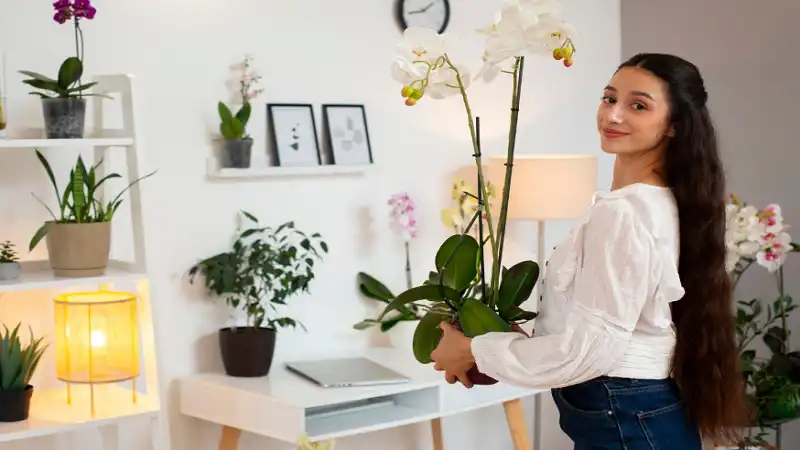
Across the home and garden features of the moment, the makeshift pandemic setups are being quietly retired in favour of proper office spaces. Read on to see how you can transform your small corner into a lush and relaxing workspace that promotes focus and productivity.
Start with the Light
It is wise to choose the room with the light first and everything else second. North-facing rooms hold cool, even daylight that does not glare on a screen. East-facing rooms are wonderful in the morning and less useful after lunch. South-facing rooms can sometimes be difficult to work in without blinds.
Whatever kind of room is available to you, your ideal lighting setup is two sources of natural light from different walls, supplemented by layered artificial lighting. This could include a desk lamp at the eye line, a floor lamp for the wider room, and a single warm overhead light for when the day disappears early, later in the year.
Sound, Warmth, and the Comfort Nobody Plans For
The details that turn a decent office into one with a luxe layout focus on physical comfort first. And it is almost always the details you will be tempted to skip.
Acoustic panels can improve the sound quality of your conference calls while being disguised as chic fabric art. A proper rug provides indulgent comfort for your feet while softening hardwood floors that would otherwise make a room feel clinical.
Even updating an ancient heating system for a sleek anthracite radiator reads as architectural rather than utilitarian. The trick is to balance usefulness and efficiency with stylish additions that elevate the room to its full potential.
The Furniture That Earns Its Place
There is no point in spending money on decor or office stationery if you haven’t invested in suitable seating. A good ergonomic chair is the single most important purchase in the room.
Your desk matters next. It should be larger than you think you need, ideally solid timber, sitting at the height your forearms naturally fall at when typing. The most successful offices treat the chair and desk as anchors and let the rest of the room breathe around them.
A Palette That Signals Focus
Your office is not the living room and therefore does not need to be styled like one. The colours that work hardest here are deeper, more grounded, and slightly cooler than the rest of the home: ink blues, fumed oaks, soft charcoals, dusty greens, and the warm-grey palette that mentally showcases a time to focus.
Your instinct should be to make the room feel calm rather than energising, more library than studio. Creating an air of cool, collected confidence in your home office will give you the mental focus needed to tackle big projects or stress-inducing tasks that may flood your typical workday.
Technology, Quietly
Nothing undoes a luxurious design like clutter. Your final task in designing your office is to make the tech disappear. Cable management, hidden power outlets, a single neat dock for the laptop, and a microphone and camera that fold away when not in use are all crucial to ensure the space feels and looks plush.
Upgrading your laptop setup to handle both work and play with the latest technology reduces the need for additional tech to take up space on your worktop.
Conclusion
If you use these guidelines to give your home workspace a lush makeover, the office you design will be a quieter, warmer, more deliberate room than the one you almost certainly threw together years prior. It will also become the room around which the rest of your working week is now organised, and that feels like the right way around.